
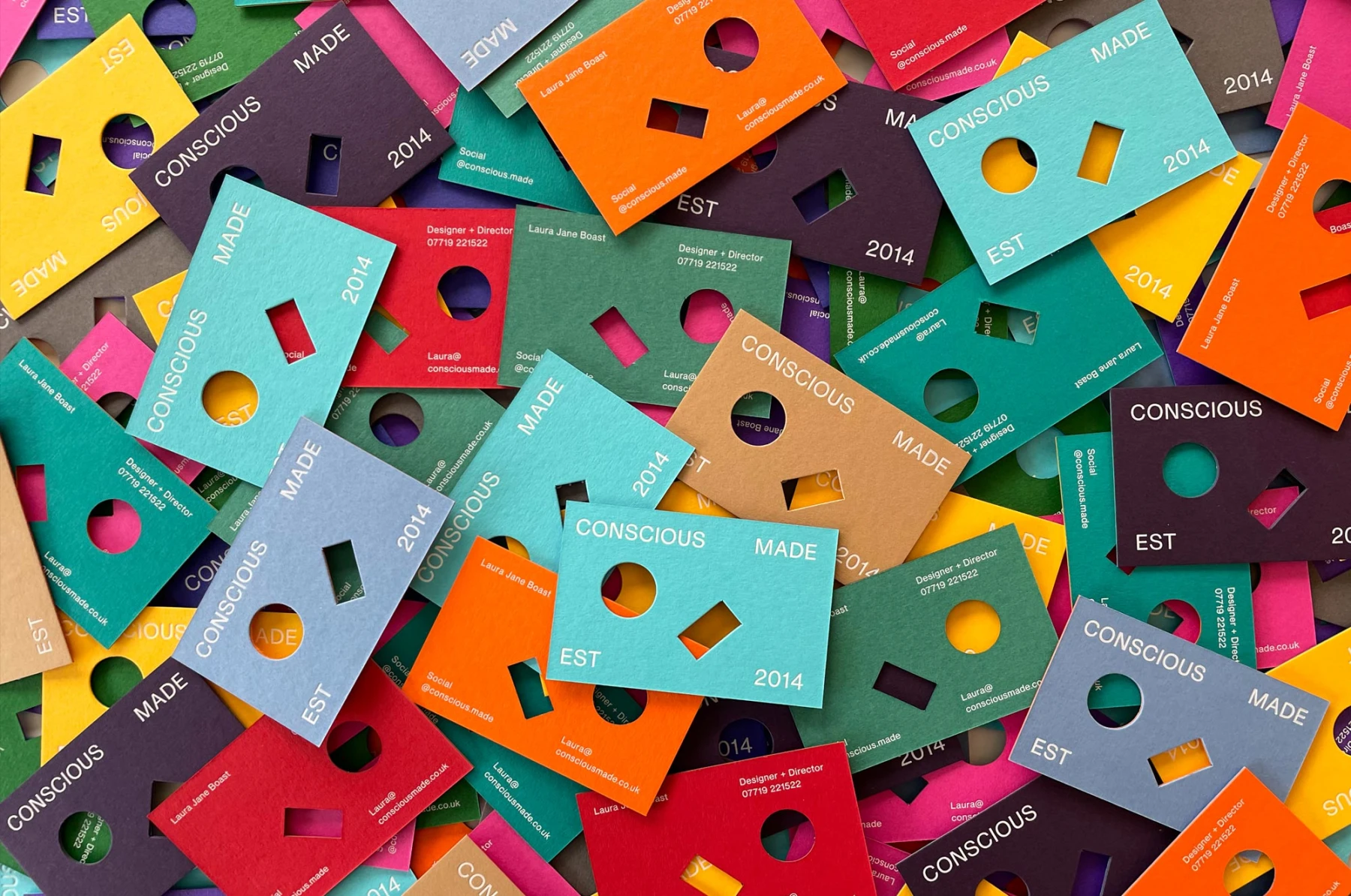
In an era of digital overload, a well-designed business card remains one of the most powerful networking tools at your disposal. It’s tactile, personal, and — when done right — utterly unforgettable. Whether you’re a freelance photographer, a startup founder, or a seasoned executive, your business card is often the first physical impression you make. Below, we explore 20 of the most compelling business card design styles and concepts that blend creativity, strategy, and craftsmanship.
1. The Minimalist Classic
Less is more — and nobody proves it better than the minimalist business card. A clean white or off-white card, a single typeface, generous white space, and only the essential contact information. No frills, no clutter. This design signals confidence, clarity, and sophistication. Think matte cardstock, embossed lettering, and a subtle logo that breathes. The minimalist card is timeless for a reason.
2. The Die-Cut Shape Card
Why settle for a rectangle? Die-cut business cards are custom-shaped to reflect your brand or industry. A yoga instructor might use a lotus petal outline; a carpenter might go with a hammer silhouette. The shape itself becomes the conversation starter, making the card near impossible to toss in a drawer and forget.
3. The Transparent Plastic Card
Printed on frosted or clear PVC, transparent cards feel futuristic and luxurious in the hand. The see-through quality adds a dimension of intrigue — perfect for tech startups, architects, or anyone who wants to communicate innovation. When held up to the light, the design can create stunning layered visual effects.
4. The Double-Sided Story Card
One side for business, one side for personality. This approach uses the back of the card as creative real estate — a bold illustration, a mission statement, a striking photograph, or even a QR code linking to your portfolio. The double-sided design rewards curiosity and gives recipients a reason to flip the card over and engage twice.
5. The Foil-Stamped Luxe Card
Gold, silver, rose gold, holographic — foil stamping turns an ordinary card into a premium artifact. The metallic shimmer catches light and catches eyes. Often paired with thick duplex or triplex cardstock for added weight and feel, foil-stamped cards communicate exclusivity. They work beautifully for lawyers, financial advisors, luxury brands, and creative directors.
6. The Letterpress Card
Born from a centuries-old printing technique, letterpress cards feature designs pressed directly into thick cotton or linen paper, creating a satisfying tactile indent. The result feels handcrafted and intentional — deeply artisan in an age of digital everything. Perfect for writers, designers, and brands that value heritage and craft.
7. The Textured Paper Card
Texture is an underrated design tool. Cards printed on bamboo, recycled kraft paper, linen, or seeded paper (which can actually be planted!) deliver a sensory experience the moment someone picks them up. Eco-conscious brands love seeded paper cards, which bloom into wildflowers after planting. Function and beauty in one.
8. The Black-on-Black Card
Dark, mysterious, and undeniably sleek. A black card with matte or spot-UV black printing creates a subtle, tonal design visible only when tilted in the light. It’s a card that rewards close attention — a fitting metaphor for premium, detail-oriented brands. Nightclub promoters, luxury fashion houses, and high-end consultants all gravitate toward this aesthetic.
9. The Painted Edge Card
Take a standard card and add a stripe of color along the edge — coral, teal, electric yellow — and suddenly it pops from every angle. Painted or gilded edge cards are distinctive without overwhelming the front design. They work especially well with thick, layered cardstock (duplex or triplex), where the color bleeds beautifully into the compressed middle layer.
10. The Metal Card
Stainless steel, brushed aluminum, or brass — metal business cards are the apex of tactile impressiveness. They’re heavy, durable, and impossible to ignore. Laser-etched or chemically etched with contact details, they feel less like a piece of stationery and more like a keepsake. While expensive to produce, they’re virtually guaranteed never to be thrown away. Perfect for high-stakes industries like finance, law, and luxury real estate.
11. The Typographic Statement Card
When your name or brand tagline is powerful enough, let the typography do the heavy lifting. Oversized serif fonts, wild lettering experiments, or beautifully paired type hierarchies can turn a card into a piece of graphic design worth framing. These cards work best for designers, writers, and creatives whose aesthetic sensibility is itself their product.
12. The Photo Card
For photographers, stylists, makeup artists, and visual creatives, a full-bleed photograph on the card is the most direct portfolio sample possible. A stunning image immediately conveys your style, skill, and visual language without a single word of description. Keep typography clean and minimal so the image remains the star.
13. The Illustrated Character Card
Custom illustration brings warmth and personality to a card in a way no stock graphic can. A hand-drawn avatar, a whimsical scene, or a playful character-based mascot makes the card feel personal and human. These are particularly effective for children’s brands, food businesses, and anyone building a personal brand around relatability.
14. The QR Code Integration Card
Modern networking demands digital bridges. Integrating a beautifully designed QR code — styled to match your brand colors rather than the generic black-and-white blob — transforms your card into a gateway. Linked to a portfolio, a booking page, a video introduction, or a LinkedIn profile, a well-placed QR code extends the card’s functionality far beyond its physical dimensions.
15. The Bold Color-Block Card
Forget subtle. Some of the most memorable business cards are simply built on bold, fearless color. A bright orange background with white type. A deep cobalt blue with yellow accents. Color-blocking, especially across both sides in contrasting tones, creates an immediate visual identity that sticks in the memory. Especially effective for brands in food, lifestyle, fitness, and entertainment.
16. The Folded or Booklet Card
Why limit yourself to a single surface? Folded cards open up to reveal additional content — a services menu, a brief portfolio, a handwritten note section. Mini booklet cards go even further, offering several pages of content in a compact format. These work particularly well for consultants, coaches, and anyone whose offering requires a bit of explanation.
17. The Embossed or Debossed Card
Raised (embossed) or recessed (debossed) elements on a card create a three-dimensional quality that’s irresistible to touch. A logo in raised relief, a name pressed into the card — these tactile details whisper quality without shouting it. Paired with matte lamination, the contrast between smooth and textured surfaces is quietly extraordinary.
18. The Spot UV Card
Spot UV coating applies a glossy, almost liquid-looking varnish to select areas of a card — the logo, a pattern, a name — while leaving the rest matte. The contrast between the two finishes is visually striking and deeply tactile. Spot UV cards look different depending on the light and angle, making them feel alive in a way flat-printed cards simply cannot.
19. The Interactive or Functional Card
The most inventive cards do something. A bottle opener, a USB drive, a ruler, a seed packet, a mini notebook — when the card itself is a useful object, it earns a permanent place in the recipient’s life. These functional cards demand clever thinking from designers and can be genuinely brand-defining, especially for product companies, engineers, and craftspeople.
20. The NFC Smart Card
Near-Field Communication (NFC) technology embedded in a business card allows a simple tap against a smartphone to instantly transfer contact details, open a website, or trigger any digital action. NFC cards are the bleeding edge of networking — elegant, tech-forward, and impressively effortless. As smartphones have made NFC universal, these cards are rapidly moving from novelty to necessity for forward-thinking professionals.
Final Thoughts
A great business card is more than contact information on cardstock — it’s a physical embodiment of your brand, values, and personality. The 20 designs above span a spectrum from timeless to cutting-edge, from tactile craft to digital integration. The best card for you sits at the intersection of your industry, your audience, and your authentic brand identity.
When briefing a designer or ordering your own, think about how you want the recipient to *feel* when they hold your card. Impressed? Charmed? Intrigued? The right design will answer that question before you even open your mouth.
In a world where connections are increasingly made through screens, a beautifully designed business card is a radical act of human presence — and that’s exactly what makes it worth getting right.
